

USB 3.0, also known as SuperSpeed USB, was introduced in 2008.It offers a maximum data transfer rate of 5 gigabits per second (Gbps), which is about 10 times faster than the previous USB 2.0 standard. USB 3.0 ports are typically colored blue for easy identification.
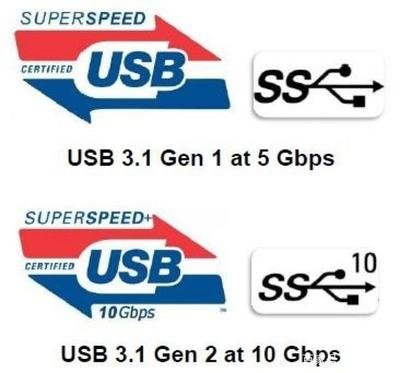
USB 3.1, also called SuperSpeed USB 10 Gbps, was introduced in 2013 as an upgrade to USB 3.0. It offers a maximum data transfer rate of 10 Gbps, doubling the speed of USB 3.0. USB 3.1 ports are usually colored red or have a small "SS" (for SuperSpeed) symbol to differentiate them from USB 3.0 ports.
In addition to the increased data transfer speed, USB 3.1 also introduced a new connector called USB Type-C.This reversible connector is smaller and more versatile than the previous USB connectors, allowing for easier and more efficient use. USB Type-C ports can support various protocols, including USB 3.1, Thunderbolt 3, and DisplayPort.
As for the future trend, USB 3.1 and USB Type-C are becoming more prevalent in newer devices.Many smartphones, laptops, and other gadgets now feature USB Type-C ports for charging, data transfer, and connecting peripherals.The higher data transfer speeds and versatile nature of USB 3.1 and Type-C make them ideal for handling larger file sizes and powering multiple devices simultaneously.
There are different versions within USB 3.1, such as USB 3.1 Gen 1 (5 Gbps) and USB 3.1 Gen 2 (10 Gbps). USB 3.2, which offers even faster speeds, has also been introduced. These advancements in USB technology continue to push the boundaries of data transfer capabilities and are likely to be adopted more widely in the future.
Hub Multi-Ports USB 3.0 / Type C Pd Qc Charger / USB 3.0 HUB Multi-Ports