

Here's what usually happens when you charge your device with a higher power charger:
1.Faster charging: Using a higher wattage (e.g. 65 watt) charger will fill the battery in less time compared to a lower wattage (e.g. 25 watt) charger.This is because a higher wattage charger is able to provide more current or voltage to speed up the charging process of the battery.
2.Possible increase in heat:Higher wattage chargers emit more heat when delivering large amounts of power.This may result in an increase in the temperature of the charger itself or the surface of the device.Therefore,when using a high wattage charger,ensure that it and connected devices are placed in a well-ventilated location to avoid direct contact with skin.
3.Safety considerations:Using a charger that is not compatible with the device (e.g.,a charger with an excessively high wattage),while theoretically speeding up the charging process,may pose a safety risk.For example, excessive current may cause damage to the device or,in some cases,may create a safety hazard if the charger or cable is of poor quality.It is vital to ensure that you use a branded charger that is compatible with your device and has a good reputation.
4.Cost and efficiency:While using a higher wattage charger may be more time efficient,from an economic point of view,the extra wattage may not be too necessary if the battery capacity is not large.
5.Environmental factors:In the long run,frequent use of high wattage chargers may increase energy consumption and have an impact on the environment.Choosing a charger with high energy efficiency can fulfill the need for fast charging and also reduce energy waste.
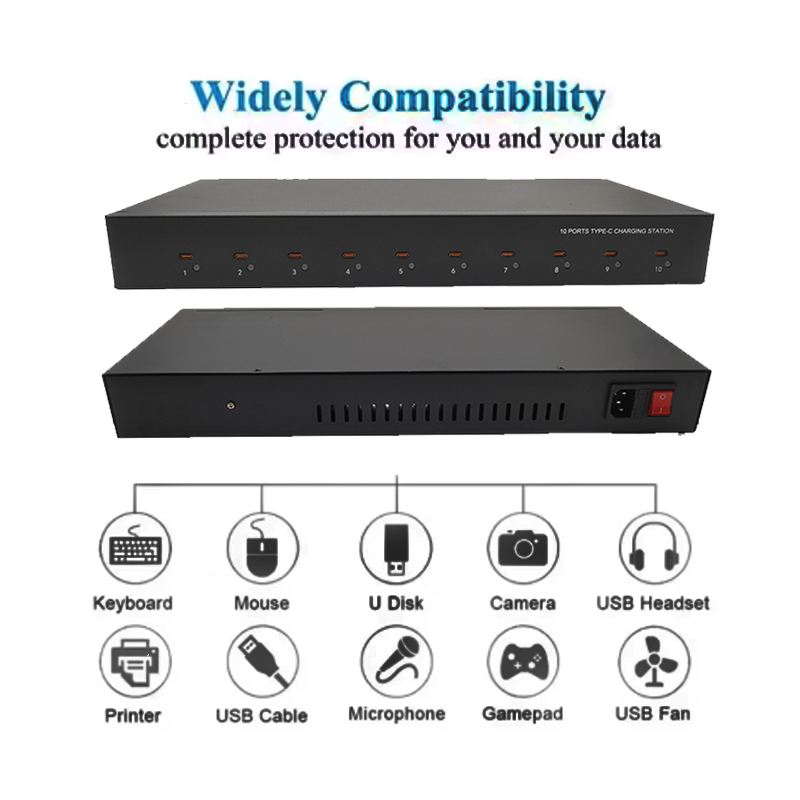
The use of higher wattage chargers can result in faster charging speeds, but attention needs to be paid to safety issues during charging, device compatibility, and possible cost and environmental impacts.