

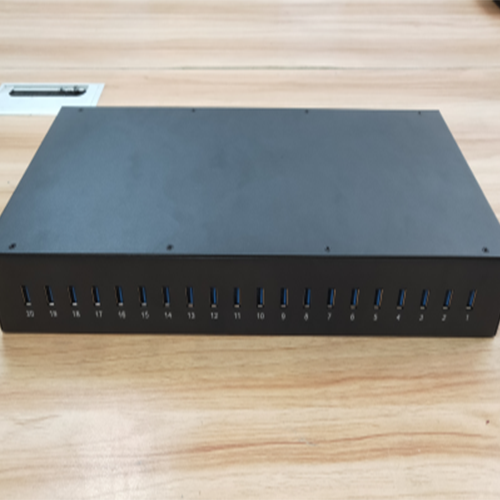
The Three Warning Signs of USB Overload
1. Abnormal Heating: If the charger or port feels excessively hot (over 50°C), it may indicate an impending overload or short circuit. In 2023, 60% of charger recalls reported by the EU RAPEX were due to overheating issues.
2. Performance decline: Frequent disconnections, slow charging, or “this accessory is not supported” prompts often indicate unstable power supply.
3. Unusual odors/sounds: Overloading may cause internal components to burn out, accompanied by the smell of melting plastic or a “hissing” sound from the current, requiring immediate shutdown.
Overseas Trade Trends: Safety Certification Becomes a Mandatory Procurement Requirement
European and American buyers have increasingly stringent requirements for safety certifications (such as CE/FCC/UL) for USB charging devices in recent years. Taking Amazon as an example, over 2,000 charging products without compliant testing reports have been removed from the platform in 2024. Recommendations for Exporting Companies:
1. Prioritize the use of intelligent current-sharing chips to ensure dynamic power distribution when multiple ports are used simultaneously (e.g., a 700W charger should be labeled with “single-port current limit of 2.4A”);
2. Add overload protection labels and obtain temperature rise test reports from third-party laboratories.
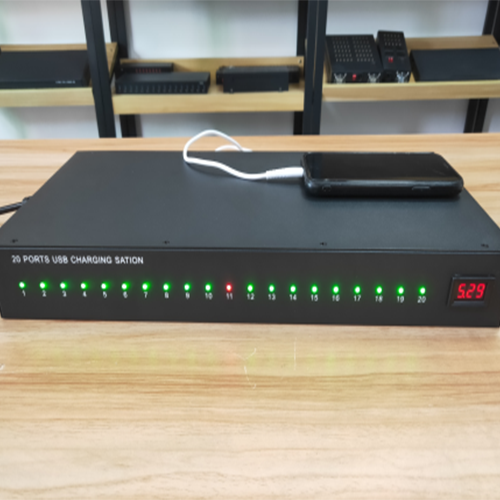
Service Upgrade: From Products to Solutions
Leading export suppliers have begun offering “safety packages,” such as:
1. Providing a USB tester with the product to allow customers to self-check voltage/current;
2. Offering one-on-one load calculation services to help buyers match actual needs (e.g., esports hotels need to calculate peak power).
In the fiercely competitive cross-border e-commerce landscape, transforming safety pain points into selling points may become a new breakthrough for Chinese charging equipment going global.